Introduction
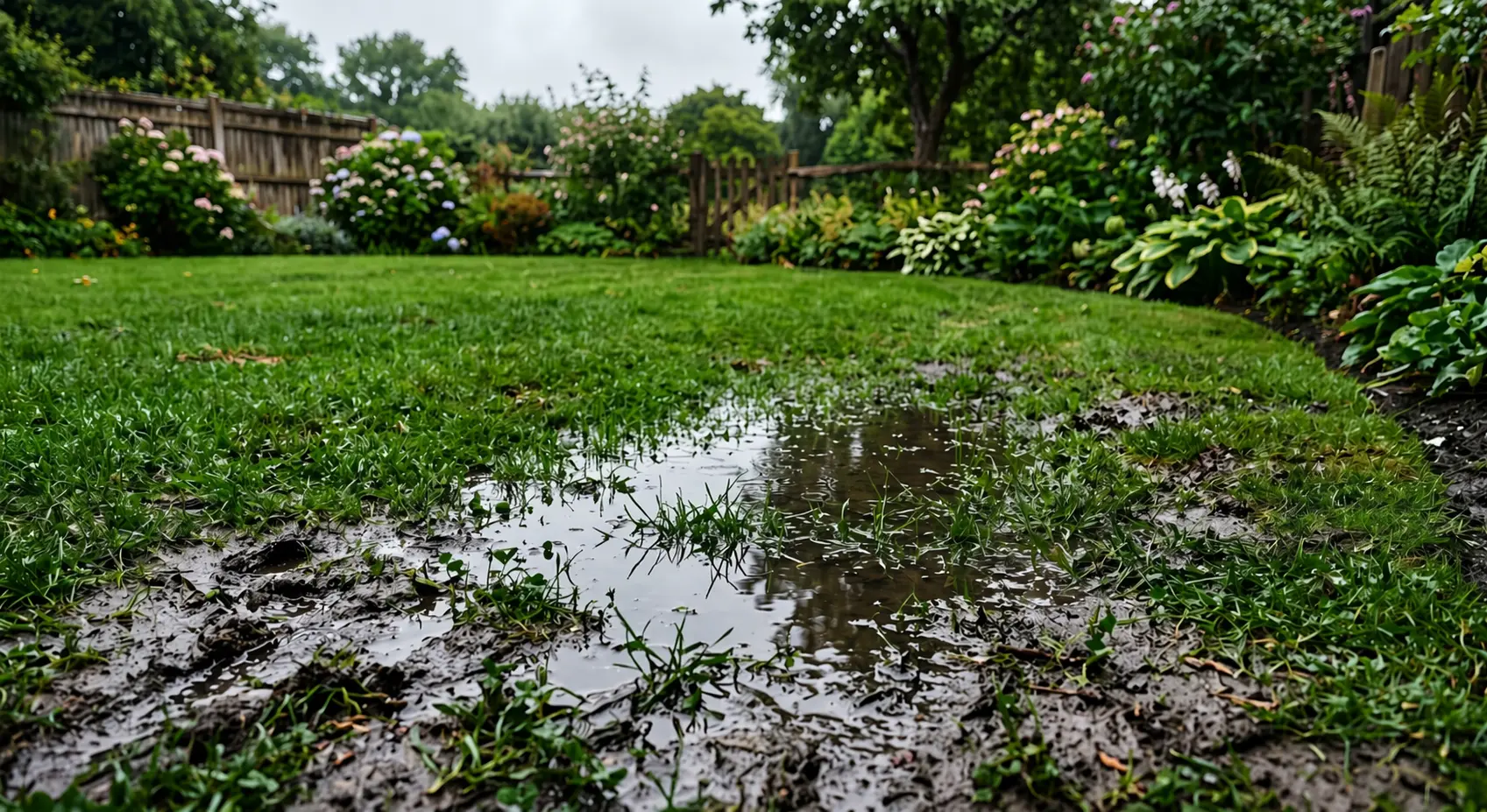
A yard that stays wet long after rainfall isn’t just inconvenient — it’s a sign that something underneath the surface isn’t working properly.
In Portland, this is extremely common. The climate alone would be manageable, but when combined with soil type and grading issues, water often has nowhere to go.
Instead of draining, it lingers. And over time, that creates long-term damage to both soil and grass.
1. The Ground Isn’t Absorbing Water Properly
Soil structure plays a major role in drainage.
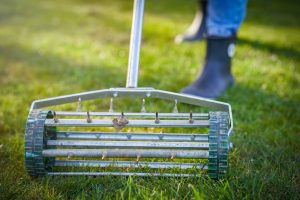
When soil becomes compacted, it:
- Reduces water absorption
- Slows down drainage
- Creates surface pooling
This is especially common in older residential lawns.
2. The Yard Isn’t Graded Correctly
Even a slight slope issue can cause major drainage problems.
If the land isn’t shaped properly:
- Water flows toward low points
- Pools near foundations or patios
- Stays trapped in flat areas
This is one of the most overlooked causes.
3. Heavy Soil Is Holding Moisture
Portland soil often contains higher clay content, which naturally retains water.
This leads to:
- Slow drying lawns
- Soft ground after rain
- Increased moss growth
4. Why It Gets Worse Over Time
Drainage problems compound.
The longer water sits:
- Soil becomes more compact
- Grass weakens
- Organic matter breaks down incorrectly
What starts as a small issue can eventually make parts of the yard unusable.
5. Common Quick Fixes That Don’t Work
Homeowners often try:
- Adding topsoil
- Reseeding wet areas
- Installing surface drains
These may improve appearance briefly, but they don’t change how water moves through the yard.
6. What Actually Fixes Drainage Long-Term
Real solutions address structure, not symptoms:
- Regrading problem areas
- Installing drainage systems
- Improving soil structure
- Redirecting water flow
Check out Ground Up Services’ Landscape Construction Services (for grading and structural drainage work).
Why Professional Assessment Matters
Two yards can look identical but have completely different drainage causes.
That’s why guessing usually leads to wasted effort.
Fixing Drainage Improves Everything Else
Once drainage is corrected:
- Grass grows more evenly
- Moss reduces naturally
- Maintenance becomes easier
- Outdoor space becomes usable again
Get Ahead of the Problem
If your yard stays wet after every rainfall, it’s unlikely to improve on its own.
Ground Up Services helps identify the cause and build a long-term solution tailored to your property – book a drainage evaluation today.